Beacher wants local seniors to stay safe online and avoid romance scams
By JESSICA SHACKLETON
Many young women are familiar with the concept of hanging out with friends one evening and making a dating app profile. They will then lean over her phone and scroll through the options together, offering opinions.
When she matches with someone and starts talking, her friends will do some research. Is this person who they say they are? Do they really go to our university? Profiles include education, age, multiple photos, and jobs. It’s often easy to find this information online, as most people have some kind of online presence. Maybe she’ll talk with them for a while, and if the conversation gets weird, she’ll move on.
These apps are 18-plus, and another group that often turns to the internet to find dates is seniors who are reentering the dating scene.
A Beach resident, whom we are going to call Veronica (not her real name), said that for most seniors there is no circle of friends sleuthing the internet to make sure matches are legit.
While both demographics are looking for connections, older users are more vulnerable to the romance scams and exploitative actions.
Elder Abuse Prevention Ontario defines a romance scam as a fraud scheme that targets people on social media through email, text, or online dating platforms. The feigning romantic interest leads to a “relationship” which leads to asking for money.
Veronica wants people to take precautions to keep themselves safe when heading online to meet people.
Every year, online romance scams account for tens of millions of dollars in financial losses. According to Elder Abuse Ontario, Canadians lost more than $50.3 million to romance scams in 2023.
Older women tend to be targeted more and often lose more than men. Men, however, are more likely to report scams. Scams should be reported to the Canadian Anti-Fraud Centre (CAFC) at https://reportcyberandfraud.canada.ca/. Reporting is important because it can help law enforcement with crime forecasting and prevention awareness.
Older women living alone, feeling lonely, and craving companionship are prime targets for romance scams and having a trusted person to talk to about dating endeavours can help people avoid falling for one.
Retirement is the perfect time to get involved in social activities and get out there. Simply having people to talk to about what’s going on in your life can help protect you from those who try to take advantage of you.
“There’s an evilness to hurting someone and targeting older people. I’m concerned for them and angry at those who hurt others,” said Veronica.
Scammers can usually tell when a victim is lonely and will capitalize on that, which leads to embarrassment for the victim.
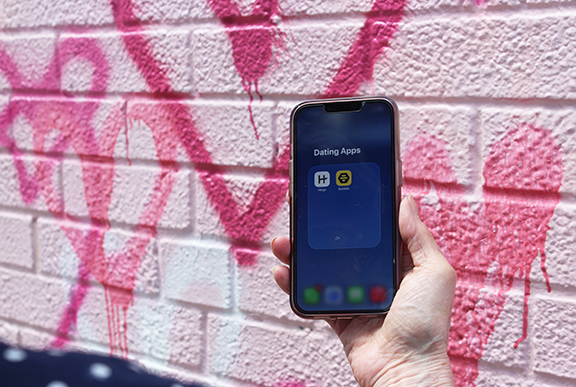
Veronica started online dating in 2025 and uses Hinge and Bumble, two of the most popular dating apps in Canada. The free tiers of these apps have worked for her.
She’s had her share of attempted scams, including the third person she matched with, but hasn’t fallen for any. However, she knows people who have.
“Someone I know personally experienced a scam, and it broke his heart. It took a while for him to figure it out, and if it can happen to him, it can happen to anyone,” she said.
Veronica said it’s important to be upfront about what you are looking for in your profile that you post online. Her other tips include blocking your number when you talk on the phone and meeting in public places on first dates.
She also emphasized that it’s important to be honest if things aren’t working out.
“I say, tell me if you’re not interested. If it doesn’t go well, then it’s OK,” she said.
Below is a list of Veronica’s top ten red flags to look out for:
- They consistently avoid meeting in person or having a video call.
- They claim to live nearby but say they’re working in another country.
- When talking on the phone, voices sound very different from their name or claimed heritage.
- Their texts are polished and eloquent, but when you speak on the phone, their speech is awkward or inconsistent.
- They rush into declaring love or showering you with over-the-top compliments very quickly (love bombing).
- When you finally meet, their appearance and stories don’t line up with what they shared in their profile.
- They share a hard-luck story, maybe a sick child, eviction, or lost job, without directly asking for money, but make you feel the emotional manipulation.
- They push you to move the conversation off the dating platform to apps like WhatsApp or Snapchat, where they’re harder to track.
- Their profile is vague or uses questionable photos, they send explicit messages right away, and they are inconsistent or evasive when you ask questions.
- They repeatedly cancel plans and ignore your boundaries.
After having a bad experience on dating apps or being scammed, it can be difficult to get back out there, but Veronica said that you can’t let it take over.
“If you’re being scammed, report it and don’t let it destroy and control you. You’re only human; get out there and keep yourself busy. Sleep, nutrition, and social activity are the keys to longevity,” she said.
Online dating has been around since 1995, and thousands of couples have met through these services. Along with scammers, there are also nice, normal people on these apps who have good intentions, and success is possible, said Veronica.