East Yorker Nebiyou Timotewos awarded prestigious McCall MacBain Scholarship by McGill University
By MATTHEW STEPHENS
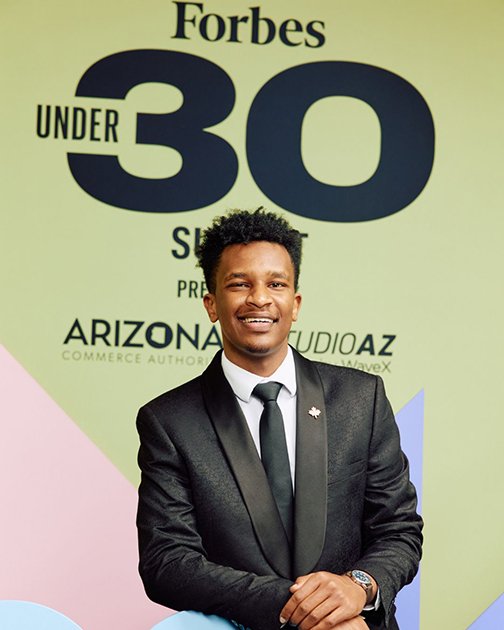
As many newcomers in the city could attest, the immigration process is not without its fair share of hardships. And for Nebiyou Timotewos, a local resident raised in Yemen, transitioning from a war-torn Middle Eastern country to Toronto’s cold city streets came with many instances of societal pressure, inner-turmoil, and financial distress.
However, after 10 years living in Canada, the 21-year-old York University graduate has overcome these hardships and achieved success as a social advocate, youth support worker, and most recently, the recipient of McGill University’s McCall MacBain Scholarship: one of the most prestigious awards in Canadian academia.
“This means everything to me. It feels like all the help that I’ve gotten along the way from the community to the bursary programs and the university – everything feels like it’s a payback from all those who have invested in me,” Timotewos told Beach Metro Community News in a recent interview.
Originally from Ethiopia, Timotewos and his family were no strangers to the never-ending strain of travel. His father, who worked as a diplomat, would often find himself stationed in different countries for work. Prior to their move to Canada in 2016, Timotewos lived in Yemen before spending a brief stint in Ireland.
Reliving memories from Yemen at just seven years old, Timotewos described the grim realities of growing up in a country ravaged by full-scale civil war.
“The first year living there was OK, but then the war broke out. Our house was bombed; my school bus had been shot at, and a lot of our friends passed away in graphic ways,” said Timotewos. “For a while, I really had to fight this survival guilt. It had me asking why I was still here and others who were smarter and more capable are gone.”
Immigrating to Canada with little more than the clothes on their backs and hopes for a brighter future, Timotewos and his family arrived at a time where Toronto’s frigid temperatures presented an abundance of new challenges they’d never experienced before; ranging from sickness and medical bills to embracing the harsh Canadian winters.
“We were homeless for seven months, living in a shelter. As an immigrant from Africa, you can imagine how cold the Canadian winter was for us at that time,” said Timotewos.
“When I was in Grade 7, we were still in the shelter. I would go to school in just a shirt and a pair of shorts and teachers and students would ask ‘Why don’t you have a jacket? It’s snowing.’ I would act like I wasn’t cold, when in reality, we just couldn’t afford it.”
Timotewos recounted the time he and his family contracted chickenpox during their first winter in Canada, and that unaffordable medical costs saw his parents turn to natural remedies to alleviate the condition.
“In the winter of 2016, we got chickenpox. Just to see a doctor, I remember it was like $800 just for one of us to see one because we didn’t have any status at the time, so my parents just got a cream and treated it naturally, so we still have scars on our body,” said Timotewos.
After seven months living in the Toronto Community Hostel (TCH) shelter on Spadina Road, the Timotewos family moved to an apartment near the Dawes Road and Victoria Park Avenue intersection through the support of government assistance in 2017.
Now settled into a new home, Timotewos found himself enrolled at DA Morrison Middle School and later East York Collegiate Institute, where personal experiences continued to underline persistent hardships shared by many Canadian immigrants.
“I remember before going to my high school graduation, I got my hair cut at a community event where they were offering free haircuts, and my suit was donated by a church,” explained Timotewos.
Respite in a new home was short-lived, however. Tragedy struck the family in 2019 when they received news that several family members in Ethiopia had died, prompting an exasperating effort to leave the country to mourn lost loved ones.
“When the pandemic hit, of course everything shut down. A couple of our family members had also passed in Ethiopia at the time, but we couldn’t go and see them because we weren’t citizens yet and didn’t have our Canadian passports,” said Timotewos.
While the rest of his family found comfort in therapy, Timotewos took a firm stance against seeking mental health support at the time, believing it would “reduce strength as a man.”
It was during his studies at York University where he discovered the value of seeking emotional support through a small gathering of peers, who would come together on the weekends to “simply talking about their issues.”
“Eventually I went to therapy and became at peace with myself in the summer of first year,” said Timotewos. “I remember a lot of my friends at the time were going through a lot of stuff and would act like everything was fine. So, I came up with this concept that we would get together every Saturday and just talk.”
His movement gained momentum, and in just a few months, the small gathering of university students blossomed into Brothers4Brothers: a youth-led mentorship program founded by Timotewos in 2023.
Invigorated with a new calling to support communities in need, several months later he founded Communities Care (now The GoodNabyr): a non-profit organization that provides essential “Kindness Kits” to underserved youth and offers access to mental health supports and community-based relief programs.
Timotewos said the organization initially set out with a modest goal of supporting the shelter that fostered him and his family at the beginning of their journey to Canada. However, he said “God had other plans” as it became clearer that increased support was needed across the country with each passing year.
“We were also able to go back to my old shelter and support them, and the plan was for that to be it, but the need for support has well-increased, so we just kept on doing it,” said Timotewos. “We’ve been doing it for two years now and we’ve helped over 3,000 people across Canada; people from Moss Park to East York, university campuses, things like that.”
Timotewos’ philanthropic journey has seen him work with a list of other organizations geared toward youth-empowerment, including the 1834 Fellowship, New York’s International Youth Impact Council, and the community board for TELUS GTHA, an organization responsible for allocating funding to youth-focused health and education initiatives.
Overcoming adversity in a number of countries has helped Timotewos develop a sense of compassion for those who face the same challenges he once struggled with. But he believes community support goes beyond philanthropy; it’s about creating new opportunities and bolstering support systems that weren’t available to him when he immigrated to Canada a decade ago.
“When I think about legacy, literally nothing matters except the impact you’ve left on people,” said Timotewos “Giving back to those in need and knowing that I’ve helped people who share my story and have come face to face with similar experiences, I feel that I’ve accomplished my purpose on earth.”
He offered an inspiring sentiment for immigrants facing what may feel like unfathomable odds, emphasizing the value of hard work despite your circumstances or immigration status.
“You have value in this world; you have value in this country. You’re not limited to your immigration or social status,” said Timotewos. “Use your story in a positive way to change this country and the world.”