OMB rules against resident
A Beach resident has been ordered to pay $28,693 in legal costs to the developer of a Queen Street condo.
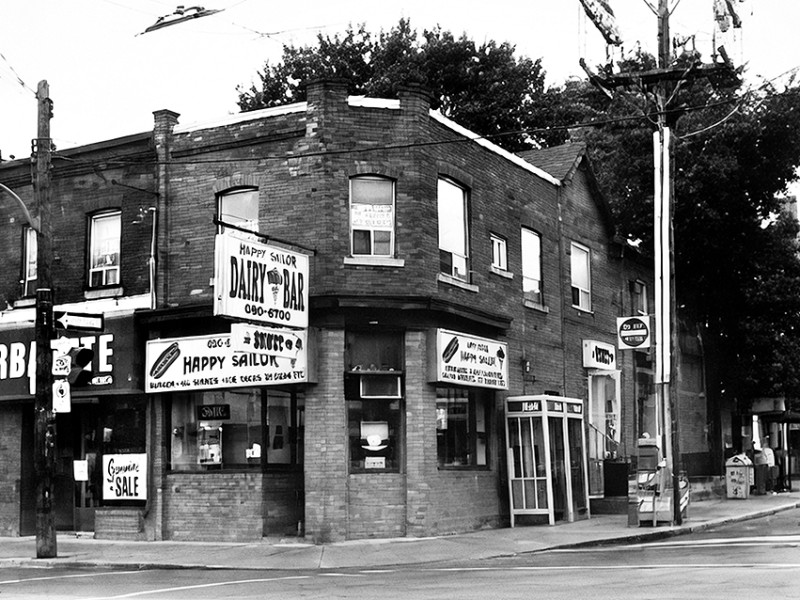
Brian Graff was ordered to pay the costs on Aug. 26, three years after he led a failed appeal against plans by Reserve Properties to build a six-storey condo at 1960 Queen St. E, formerly the site of a Lick’s restaurant.
That appeal and one other led to a 2013 hearing at the Ontario Municipal Board where, because Graff failed to notify them otherwise, Reserve hired three experts who never had to testify.
In her decision, OMB member Sylvia Sutherland said it is unusual for the board to award such costs because it does not want to discourage parties from raising legitimate land-use planning issues.
However, she wrote, the board can order such costs if a party’s conduct is “unreasonable, frivolous, or vexatious, or if the party had acted in bad faith.”
Asked about the OMB decision, Graff said he was “absolutely devastated and shocked” by the order, and frustrated by how long it took to get a ruling.
“For me it’s been Kafkaesque having this hang over my head for two years,” he said.
In her decision, Sutherland wrote that Graff did “play games” with the OMB and Reserve by failing to prepare for his part of the hearing.
After city council approved Reserve’s condo plans in June 2012, Graff played a lead role in founding the Beaches Residents Association of Toronto, or BRAT, which formally launched an appeal against those plans in July.
Sutherland noted in her decision that Graff was BRAT’s chairman and spokesman, and his home address was listed as its corporate office.
But on January 12, 2013, a few weeks before the hearing was due to start on Feb. 5, Graff resigned from BRAT.
Graff did not tell Reserve that he had resigned, or who had replaced him.
That same day, Graff had answered an email from Reserve, which included one of three requests for the list of expert witnesses BRAT planned to have speak against the proposal at the OMB hearing.
Graff answered that BRAT was still finalizing that list.
When the hearing finally started, BRAT, now without Graff, presented no expert witnesses.
In the meantime, Reserve had paid the $28,693 to hire three – a land-use planner, urban designer, and transportation expert – in order to defend its proposal.
While BRAT arrived at the hearing without Graff as a member, Sutherland found that up until January 12, a few weeks before the hearing, Graff was both its public and private face, and that by that time he should have finished most of the preparations for the hearing.
“Mr. Graff did not step away from these realities and responsibilities simply by leaving BRAT; nor did his departure make them the responsibilities and liabilities of the ‘straw man’ he had left holding the bag, namely BRAT,” she wrote.
“Mr. Graff was the real litigant in this matter.”
Graff said he will likely apply to have another OMB member review the decision, and will consult his lawyer about a possible court appeal.
“I certainly feel the facts and the points we made somehow weren’t answered, or the board member was drawing conclusions that I don’t think were supported by the facts,” he said.
While he led BRAT, Graff said the group was no ‘straw man,’ but a group with several active members, before and after he left it to form another group, Save Queen Street, that also sought party status at the hearing.
“That’s where this whole thing is very confusing,” he said. “Over time, there were three different boards for BRAT, and I created a separate organization.”
By the time of the hearing, Graff said he was making no decisions for BRAT, and relayed all messages from Reserve to the new BRAT board which replaced him.
Graff also said he had no idea Reserve might arrive at the hearing to find no expert witnesses to speak against its own, given there was another appeal under way, independent of BRAT’s, that happened to come to terms with the developer the night before.
“My real problem here is this whole thing shouldn’t have happened in the first place,” he said.
“There shouldn’t have been an OMB appeal because the city should have refused [the condo] in the first place.”