In My Opinion: Making the case that all schools must be art schools
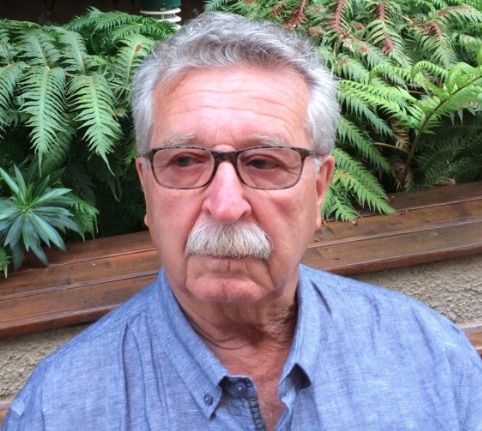
By LUIS FORNAZZARI
For the last 20 years we have been working with the inspiring concept that “art expression” is basically not different from other brain-mind functions, such as language, attention, memory, in the sense that all represent the best communication forms with potentially infinite combinations.
When evaluating artists in our Memory Clinic, they give us new insights into the nature of artistic creativity. This knowledge has refined and enriched our understanding of how the brain processes essential functions like abstraction, memory, metaphorical language, visual expression, rhythm, all forms of different memories and many other aspects of our enriched human condition.
We demonstrated that art, in any of its multiple expressions, is an enhancer of practically all brain cognitive functions. Together with many other similar centres at McMaster, Carleton, McGill, York University, Simon Fraser and UBC, we established that artistic expression, comprehension or simply observation-audition, protect our brain from the effect of Alzheimer’s disease and other dementia, strokes, head injuries, and many other neuro-developmental issues such as schizophrenia and autistic spectrum disorders.
We have proven with new neuroscientific techniques what our colleagues recreational and art therapists, music therapists have been telling us for many years. Any form of art stimulates our brain very early in our gestation, at around two months of our embryonic life, and continues during infancy, childhood and the rest of our life.
We learned, thanks to the renaissance of neurosciences during the last few years, that our brain plasticity, in other words the capacity of our brain to regenerate,and create new neural connections, works efficiently until the last minute of our life. Art in any of its forms is a very important activator of neuroplasticity.
In other words it helps us to learn new skills, consolidate and retrieve all type of biographicals and emotional memories and particularly it reorganizes all our brain neurotransmitters in response to the art stimuli.
When dopamine for instance, is activated it signifies that reward systems, motivation, pleasure and particularly other high cognitive functions like verbal programming, how we talk, and fast mental function are stimulated.
With serotonin, another of the important neurotransmitters associated with mood, art also increases serotonin and mood is stabilized.
The old concept of the when and where art originated is inappropriate because we are by nature artists and art starts with our humanity.
This concept has been strongly supported by recent neuro archaeological and anthropological findings in which the origin of art starts practically since the origin of us, as human beings. In other words art is part of human instinct and as such has a very powerful role in the development not only of our brain-mind but also of our human societies all over the different cultures in the world.
Studies originated at Carleton University in Ottawa corroborate the observation that art is a very potent brain stimulator in childhood and adolescence. They demonstrated that kids involved in any kind of musical, dancing, singing at early age are able to develop important areas in the brain that were practically immature.
In perceptual processing in verbal expression in reaction time and particularly in behavioural and executive functions – the goal that we want in our life – in other words in improving practically all of the brain functions.
These studies were repeated in other centres all over the world, and are the scientific basis for “El Sistema” created in 1975 by Jose Abreu in Venezuela and now spread all over the world. In Canada, in the education of kids of socio-economically disadvantaged areas, those kids in less than a year are able to reach the same levels of mental activities with the ones that were coming from other more advantaged areas.
All this evidence about the protecting role of art in adults and particularly in the elderly are strong advisors that any kind of education, or any kind of discipline that is exerted under the effect of art, is more successful.
I think that based on all those scientifically powerful arguments on the potent activating role of any form of art in our brain mind development, a message to our educators at all levels is that in order to improve the day-to-day learning in our schools and particularly the behavioural aspect in kids at school and for the rest of their lives we need to promote that All Schools Must be Art Schools.
- Luis Fornazzari is a behavioural neurologist (neuropsychiatry). He is a consultant at the Memory Disorder Clinic, and the Geriatric Mental Health Outpatient Program at St Michael’s Hospital. He is a member of the Division of Neurology, the Department of Psychiatry and the Faculty of Music at U of T.