In My Opinion: Ballot question in the Toronto mayor’s race still to be determined
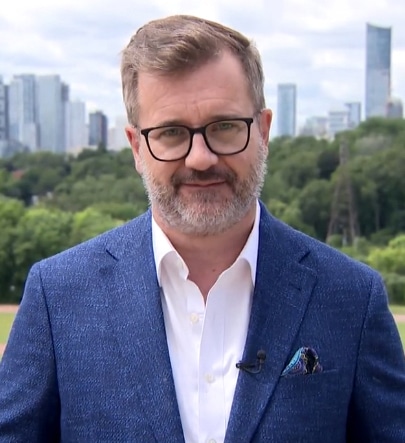
By ALAN CARTER
In the lead up to the municipal election pundits, politicians and pollsters are all wondering one thing: what’s the ballot question?
Rob Ford rode to power promising to stop the “gravy train.” David Miller harnessed opposition to a bridge to the island airport. But the overwhelming issue that grabs citizens and sways the vote is often impossible to predict until an election campaign is well underway.
Olivia Chow’s team clearly hopes Torontonians want more of what they’ve seen during her first term. She’ll point to free lunches for schoolchildren, expanded library hours and her affordable-housing initiatives.
“Toronto has turned the corner,” she told a crowd at the Danforth Music Hall during her campaign launch, making the case for another mandate to keep going. Watching from the audience were some of the council candidates Chow hopes will become part of her governing team.
Brad Bradford, on the other hand, wants the ballot question to be public safety.
The outgoing councillor for Beaches East York has promised a full-time police station inside Union Station if he becomes mayor. He’s convinced Torontonians feel less safe, even as police statistics show crime is declining.
For Bradford, however, the numbers are just one part of the story.
After the mass shooting at Salsa on St. Clair, which left two people dead, Bradford criticized Deputy Police Chief Frank Barredo for saying at a news conference that Toronto is a safe city. Bradford called the comments “tone deaf,” arguing that they failed to acknowledge the fears and concerns of residents.
Then there’s Chris Alexander. Who’s he again?
The former Harper-era cabinet minister, who Liaison Strategies currently puts in third place with 10 per cent support, is counting on dissatisfaction with City Hall to propel him into the mayor’s office. He says Toronto is “adrift” and needs an outsider to shake things up.
Alexander says his low name recognition isn’t a big deal because most voters are only now starting to pay attention.
Once they do start paying attention, will voters decide it is time for a change?
The Liaison poll from Sept. 9 had Chow leading Bradford, with Alexander’s entry into the race having done little to change the basic picture. Among all voters (decided, leaning and undecided), the poll had Chow with at 42 per cent; Bradford at 32 per cent; Alexander at eight per cent; someone else at one per cent; and undecided at 16 per cent.
But there’s a number in that poll that should get the attention of the Chow campaign: 48 per cent of respondents say Toronto is on the wrong track, compared with 47 per cent who say it is on the right track.
That doesn’t suggest Torontonians are ready to throw everyone overboard. But it does imply there’s room for a challenger to make the case that the city needs a change.
And that is where the ballot question will start to come into focus.
It could emerge halfway through the campaign. It could be something nobody’s talking about today.
Maybe there will be no single defining issue at all — that usually means lower voter turnout.
Put it all together and, as Alex Nanoff of Liaison Strategies puts it, this is Chow’s election to lose. But, he adds, “She still has to be aware of where her disapprovals lie—and those are not insignificant.” he says.
Just over half of Torontonians approve of the job Chow’s doing as mayor, according to the polls. Forty-five per cent disapprove and four per cent are unsure.
For Bradford and Alexander, the challenge is obvious. They need to raise their profiles, define what they actually believe is wrong with the city and, most importantly, convince voters that their issue — whatever it is — should become the ballot question.
Because whoever manages to set that agenda, may also define the fate of this election.
- Alan Carter is Municipal Affairs Reporter for CityNews and a Beach resident.