From The Cellar: Four wines, four countries and $15 or less a bottle
By DORIS MICULAN BRADLEY
A bottle of wine can travel halfway around the world, carry the name of a recognized appellation, be made from organically grown or indigenous grapes, pass through numerous hands and still land on an LCBO shelf for less than $15. That raises a question I have often considered as both a wine educator and consumer: what does $15 actually taste like?
Price and value are not necessarily the same thing. Behind every bottle are the costs of land, grapes, labour, winemaking, packaging, transportation, taxes and distribution. Some producers have enormous economies of scale; others work with smaller vineyards and more challenging climates. Some spend money on oak and elaborate packaging, while others put a simple screwcap on the bottle and send it on its way.
So, rather than looking for the “best cheap wine,” I decided to give myself a simple challenge: four wines, four countries and not a single bottle over $15. Where does the money go and how much pleasure makes it into the glass?
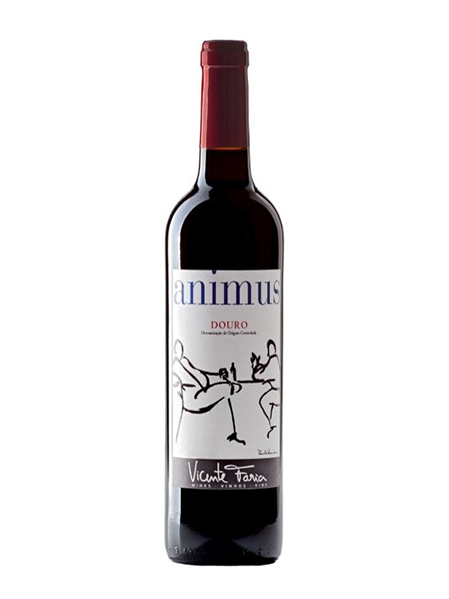
Portugal: The Value Story| Vicente Faria Animus Douro DOC| $11.50 | LCBO #535641
Portugal continues to be one of the places I look when searching for value, partly because its wine identity isn’t dependent on the handful of international grape varieties everyone recognizes.
Animus comes from the Douro and is made from three distinctly Portuguese grapes: 40 per cent Touriga Franca, 30 per cent Tinta Roriz and 30 per cent Touriga Nacional. The producer describes red fruit, plum, cedar and tannin, while the LCBO finds black plum, chocolate, licorice and spice.
And that is where our $15 experiment becomes interesting. Put Cabernet Sauvignon or Pinot Noir from a famous appellation on a label and consumers immediately recognize what they are buying. Touriga Franca? Perhaps not.
Yet lack of international name recognition doesn’t mean lack of quality. Animus gives us a DOC wine from one of Portugal’s celebrated wine regions made entirely from indigenous varieties. Here, value comes partly from drinking beyond the familiar. Try it with pizza, roast chicken or a simple plate of sausages and grilled vegetables.
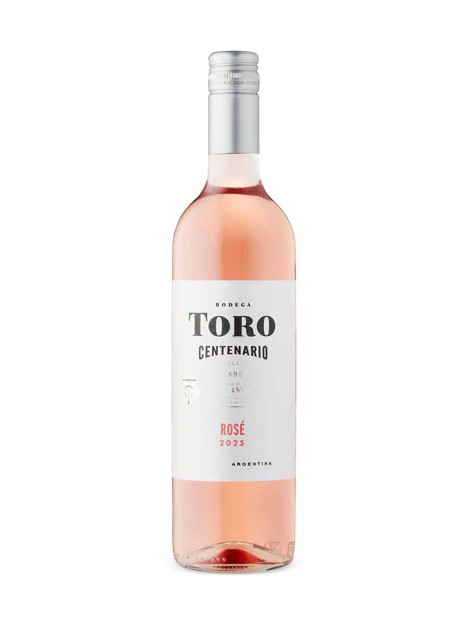
Argentina: The Distance Story |Bodega Toro Centenario Rosé |$10.95 | LCBO #48551
This might be the bottle that makes readers stop. $10.95. From Mendoza. Think about that for a moment.
The grapes were grown and the wine made in Argentina, then bottled, transported thousands of kilometres, distributed in Ontario, and placed on an LCBO shelf, and the final price remains under 11 dollars.
Bodega Toro Centenario Rosé is a blend made from hand-selected grapes. So how does $10.95 happen?
This is where scale matters. Larger vineyard holdings, production efficiencies, land and labour economics, straightforward winemaking, packaging choices and international distribution can dramatically affect what we eventually pay. The inexpensive bottle isn’t necessarily evidence that someone has cut corners; sometimes it tells us that the entire production model is different.
And there’s something extraordinary about being able to taste a wine grown in Mendoza at a Beach dinner table for less than the price of many cocktails.
Try it with grilled shrimp, a light pasta salad or salty appetizers. The touch of sweetness can be particularly refreshing alongside spice.
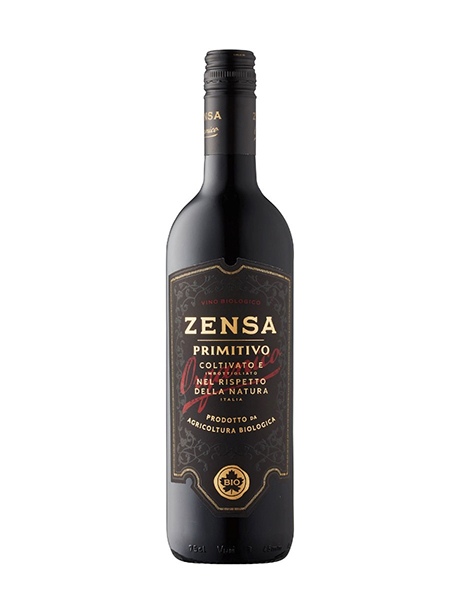
Italy: The Climate Story |Zensa Organic Primitivo | $11.90 | LCBO #31803
Now travel to the heel of Italy’s boot and the economics change.
Puglia’s warm Mediterranean conditions are well suited to Primitivo, the grape genetically associated with Zinfandel. Here we have another advantage: reliable ripening in a warm region can help producers achieve generous fruit without some of the climatic challenges faced in cooler wine regions.
This bottle allows us to challenge another assumption: organic doesn’t necessarily mean expensive. Warm climate, established vineyards, efficient production and scale can all contribute to keeping the final price accessible. What matters to us at the table is whether those efficiencies still leave personality in the glass.
Try it with: smokey BBQ ribs, roast eggplant in tomato sauce or an assorted mushroom pizza.
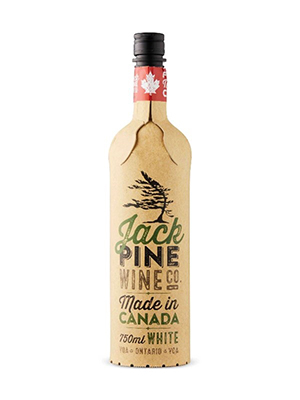
Ontario: The Local Story Jack Pine White VQA| $14.95 | LCBO #44970
Finally, let’s come home. At $14.95, Jack Pine White VQA just makes our cutoff, and that in itself tells part of the story.
Made by Reif Estate Winery, this Ontario VQA blend combines Vidal and Riesling, giving aromas and flavours of apple, pear, peach and citrus.
Ontario wine operates under a very different set of circumstances from our bottles from Puglia or Mendoza. Our cool climate brings both advantages and challenges. Winter, vintage variation, vineyard costs, and the economics of producing wine on a comparatively smaller scale all influence what ultimately appears on the price tag.
And there is another important point: local does not automatically mean inexpensive.
We sometimes expect a product made close to home to cost less because it hasn’t travelled as far. But transportation is only one component of a bottle’s cost. Growing grapes in Ontario and turning them into VQA wine carries its own economics.
Try it with: Ontario goat cheese, roast chicken, grilled pickerel or an apple and Cheddar salad.
A good $15 wine should taste like a good $15 wine. It should be balanced, enjoyable, appropriate to the occasion and, most importantly, make you happy that you bought it.
Price tells us what a bottle costs. Value tells us what it gives back.
— Doris Miculan Bradley is a professor, International Master Sommelier, chef and East Toronto resident.