From The Cellar: From labels to land and how we choose our wines
By DORIS MICULAN BRADLEY
There’s a quiet shift happening in how we choose wine.
Not long ago, many of us reached for familiar labels or trusted scores, looking for reassurance that we were making the “right” choice. But lately, that moment in front of the shelf feels different. We linger a little longer, turn the bottle over, and begin to ask new questions, not just what is this?, but who made it, how was it grown, and what does it say about the place it comes from?
In a neighbourhood like the Beach, where food, community, and local stories matter, this shift from labels to land feels not only natural, but deeply meaningful.
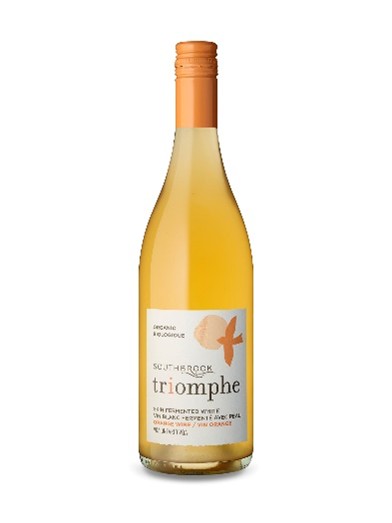
Southbrook Triomphe Orange Wine VQA, Niagara Peninsula, Canada
11.3% Alc/Vol | $29.95| LCBO# 25292
Crafted in Ontario’s Niagara Peninsula, this wine reflects one of Canada’s most dynamic cool-climate appellations, shaped by diverse soils and the moderating influence of Lake Ontario, which supports balanced ripening and freshness.
This is not a typical wine, due in large part to how it is made. Unlike conventional white wines, orange wine is fermented with extended skin contact, giving it its distinctive colour, texture, and structure. Orange wine and I have had a complicated relationship, one rooted more in curiosity than complete devotion.
Yet, after recently tasting this wine alongside my students, paired with mild goat cheese, za’atar spice, olive oil, green olive tapenade on flatbread, I found myself entirely taken by it. There was a harmony in the pairing that brought the wine into focus.
Bill Redelmeier, one of Ontario’s leading organic producers, captures both intention and place in this expression. Expect layers of dried apricot, orange peel, gentle tannin, and a savoury, tea-like finish that lingers thoughtfully on the palate.
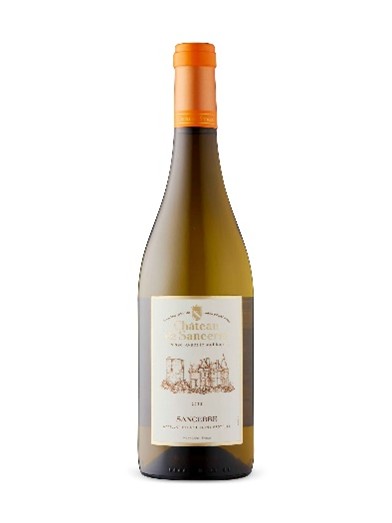
Château de Sancerre Blanc, Loire, France
13.5% Alc/Vol | $35.95| LCBO# 42202
Twenty-five years ago, I met Madame Marnier-Lapostolle at the launch of her Chilean winery Clos Alpalta, and while I was certainly aware of the remarkable calibre of her lineage, it was her deep commitment to the land that left the most lasting impression. There was a quiet conviction in the way she spoke about the earth, the vine, and the responsibility of expressing a wine that is true to its vintage.
At the Marnier-Lapostelle French winery, Château de Sancerre, this philosophy is evident in their approach to viticulture, thoughtful farming, respect for natural cycles, and a focus on allowing the vineyard to speak with clarity and authenticity. Their Sauvignon Blanc is a beautiful reflection of this intention. Fresh and expressive, it carries vibrant citrus and herbal notes, underpinned by a clean minerality that speaks to place rather than manipulation.
It is a wine that feels honest , a direct conversation between land and glass. And for those hoping to experience it, a small note of urgency: there is little remaining in the LCBO system, making this not only a meaningful bottle, but a fleeting one.
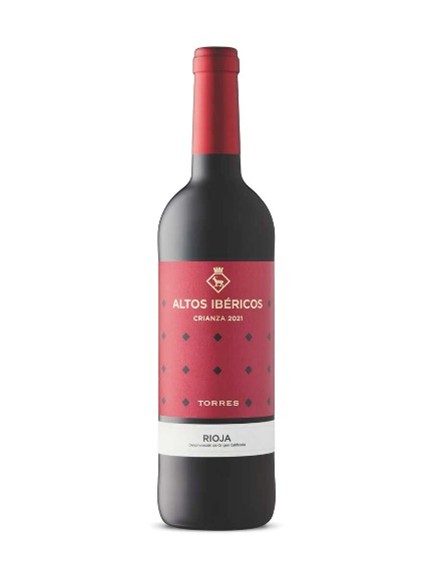
Torres Altos Ibéricos Crianza 2021, Rioja, Spain
14% Alc/Vol | $19.95| LCBO# 18767
The Torres family has long been a leader in both quality winemaking and environmental stewardship, making their wines a natural fit for a conversation about intention and land. With a deep commitment to sustainability, Familia Torres has invested in organic viticulture, renewable energy, and climate action initiatives that extend far beyond the vineyard.
One of my fondest wine memories traces back to the 1980s, when I had the opportunity to meet Señor Miguel Torres at a tasting. Eager and still learning, I asked if I could open the bottles at the tasting, simply for the practice. He gave me his corkscrew with a quiet generosity and encouraged me to stay committed to learning, reminding me that wine, much like the vine itself, is always evolving. It was a small gesture, but one that has stayed with me throughout my journey.
Their Altos Ibéricos Crianza, made from Tempranillo, reflects that same balance of tradition and forward thinking. Expect notes of ripe cherry, plum, and gentle spice, layered with subtle oak and a touch of earth. It is a wine that feels both grounded and expressive and a reminder that respecting the land is not a trend, but a lifelong philosophy.
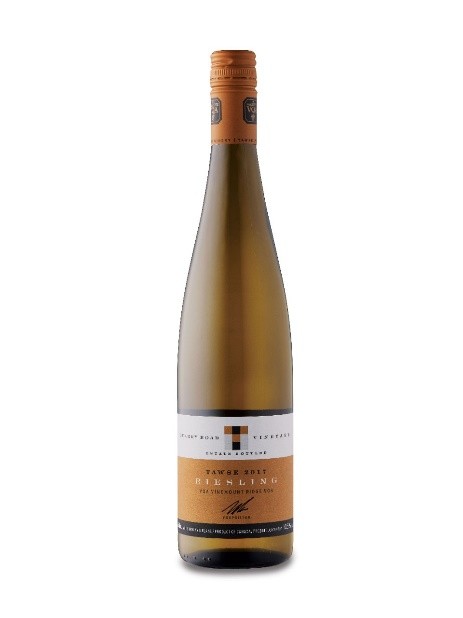
Tawse Quarry Road Organic Riesling VQA, Vinemount Ridge, Canada
10.5% Alc/Vol $24.95|LCBO# 198853
In Ontario, many producers are deeply committed to expressing a connection to the land, and Tawse Winery is a beautiful example of this philosophy in practice. Certified organic and biodynamic, Tawse approaches winemaking with a mindset rooted in observation, patience, and respect for natural cycles.
Their Quarry Road Organic Riesling is a compelling expression, vibrant and precise, with notes of citrus, green apple, and a distinct mineral edge shaped by the Niagara Escarpment. I still remember standing in the Quarry Road vineyard, watching sheep move gently through the rows, part of a thoughtful ecosystem where nothing is wasted and everything has purpose. It was a quiet but powerful moment that reflected the care behind the wine.
Under the guidance of the late Paul Pender, one of Canada’s most respected and visionary winemakers, and a true custodian of the earth, Tawse continues to craft wines that speak not only of place, but of stewardship.
These are not wines chosen for their labels alone, but for the stories they carry and the questions they invite us to ask. As we continue to shift from scores to soil, from reputation to responsibility, we begin to see wine not just as something we consume, but as something we understand.
And perhaps that is where the true pleasure lies, not only in what is in the glass, but in knowing where it comes from and why it matters.
— Doris Miculan Bradley is a professor, International Master Sommelier, chef and East Toronto resident.