From The Cellar: Holiday bottles with stories to tell
By DORIS MICULAN BRADLEY
The holiday season has a way of turning even the most restrained among us into enthusiastic explorers of recipes, of traditions, and most importantly, of wines.
While store shelves brim with the usual suspects (your trusty Cabernets putting on their festive bowties, Prosecco popping with predictable cheer), I find myself irresistibly drawn to the quieter bottles. The ones perched a little off-centre on the LCBO shelf, half-smiling as if to say, You don’t know me yet, but you should.
These are the wines from the less-traveled path regions where winemakers coax beauty from stubborn soils, or grape varieties that sound like the name of a long-lost Italian aunt. And isn’t that the joy of holiday drinking? Every bottle becomes a tiny journey from a place whose story enriches the table long before the first sip.
A couple of these wines stretch beyond my standard price bracket, yet their craftsmanship and charm were too compelling to leave out.
This year, I invite you to wander with me. Bring your sense of curiosity, a dash of humour, and an appetite for wines that pair as well with conversation as they do with panettone. Let’s set aside the predictable and raise a glass to the delicious unknown because sometimes the most meaningful holiday discoveries are found just beyond the well-worn path.
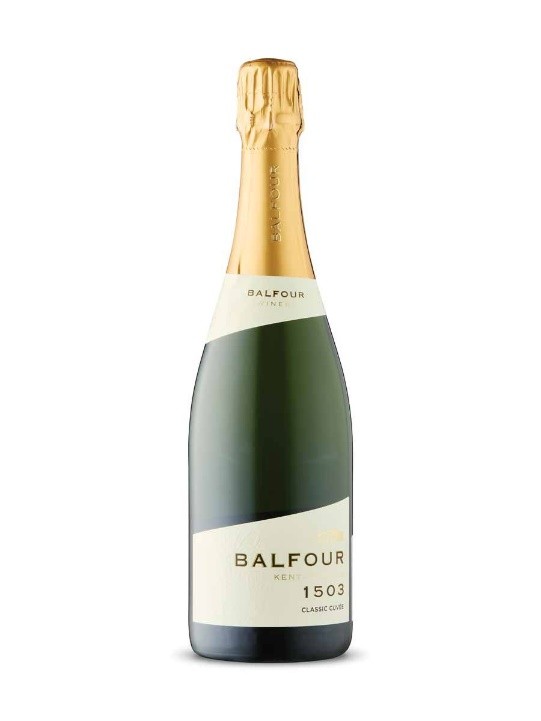
Balfour 1503 Classic Cuvée Sparkling, Kent, England
11.5% Alc/Vol | $55.95 | LCBO# 47578
While tasting my way through Britain by the Glass hosted by the British Consulate General, I came across this standout bottle that instantly won me over. The 1503 Classic Cuvée comes from Balfour Winery located on the historic Hush Heath Estate in Kent, England.
The estate is rooted in a manor built in 1503 (hence the wine’s name), planted in 2002, and dedicated to showcasing English sparkling wines using traditional Champagne-variety grapes.
This wine is blended with mainly Chardonnay, some Pinot Noir, Pinot Meunier (and sometimes Pinot Blanc, depending on the bottling). Given its crisp acidity and fruit-forward profile with apple, white peach, citrus, and a hint of flowers, it’s fun to pair this traditional sparkling wine with something slightly cheeky yet comforting. My pick: Sea-salt kettle chips dipped in crème fraîche and lemon zest. The apple-citrus acidity loves the rich tang of crème fraîche. The crunch of the chips mirrors the wine’s lively bubbles, and the lemon zest echoes the wine’s citrus lift. I’m serious about this pairing: it’s elevated yet playfully unfussy, the sort of pairing that makes guests grin before they even take a bite.
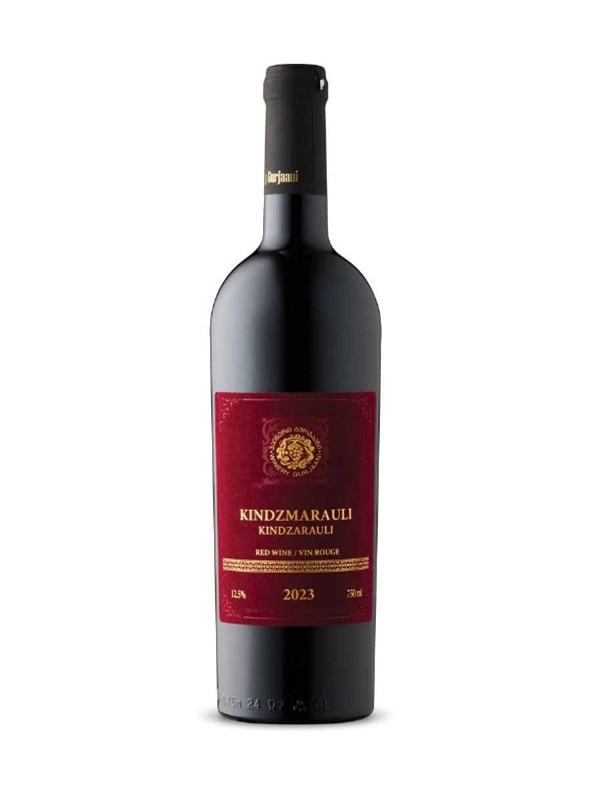
2023 Gurjaani Kindzmarauli, Saperavi, Kakheti, East Georgia
12.5% Alc/Vol | $16.95 | LCBO# 46147
I stay connected with my alumni students, and recently I had the pleasure of reading my graduate student Misha’s article about her travels in Georgia. Inspired by her reflections, I found myself revisiting a small collection of Georgian wines I’ve gathered over the years.
The bottles that are uniquely delicious and rooted in a land that conjures images of ancient vineyards, large clay wine vessels (qvevi) buried in the earth, and a winemaking tradition older than many civilizations we so readily romanticize.
Georgia has always fascinated me. It is the cradle of wine and a crossroads of cultures. It is a place where the past is not simply remembered, it’s tasted. Georgian wine feels like an invitation to step into a story that began 8,000 years ago and continues to evolve with youthful energy and a quiet confidence that needs no fanfare.
Gurjaani Kindzmarauli (Goor-JAH-nee Keend-za-mah-ROO-lee ) is a semi-sweet red wine from Georgia’s famed Kindzmarauli viticultural zone in the Kakheti region. Saperavi is Georgia’s legendary red grape. The wine brims with juicy blackberry, sour cherry, and ripe plum, wrapped in a gentle sweetness that never overwhelms thanks to Saperavi’s inherent acidity and tannic backbone.
For the holidays, this style shines beautifully alongside roasted turkey with spiced cranberry compote, or if you want something playful try with dark-chocolate-dipped gingerbread.
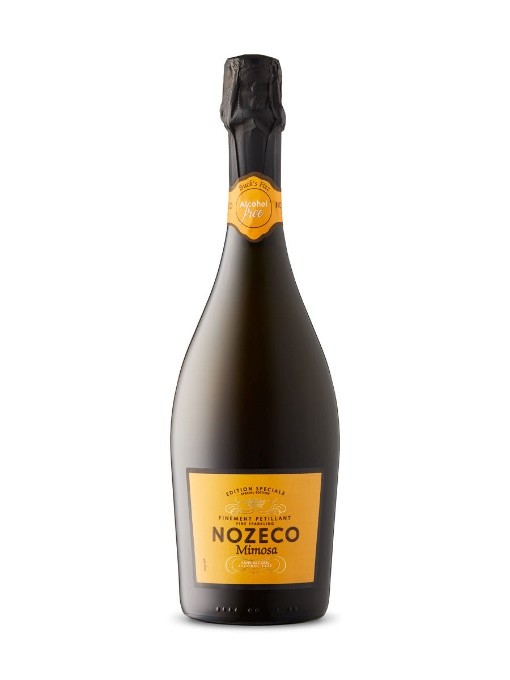
Nozeco Alcohol Free Mimosa, Languedoc, France
0.5% Alc/Vol | $11.95 | LCBO# 46205
Known for producing accessible, fruit-forward wines with broad appeal, Les Grands Chais de France (GCF) has positioned Nozeco as its inclusive sparkling line specifically for drinkers who want the celebratory joy of bubbles without any compromise in flavour or alcohol.
The Mimosa edition is made in southern France, in the sun-soaked Languedoc region, where ripe fruit, citrus, and Mediterranean breezes shape both the grapes and the winemaking style.
To create Nozeco’s signature alcohol-free sparkle, the process begins like any traditional sparkling wine. A base wine is produced, complete with freshness and natural acidity. It’s then gently dealcoholized by removing alcohol while preserving as much aroma as possible. Once the effervescence is reintroduced, natural orange flavouring is blended to evoke the charm of a freshly poured mimosa.
A cheerful pairing is cranberry-orange scones (my friend Helen makes the best scones in the Beach) drizzled with a light glaze; the combination creates a bright, home-made moment that feels both seasonal and celebratory.
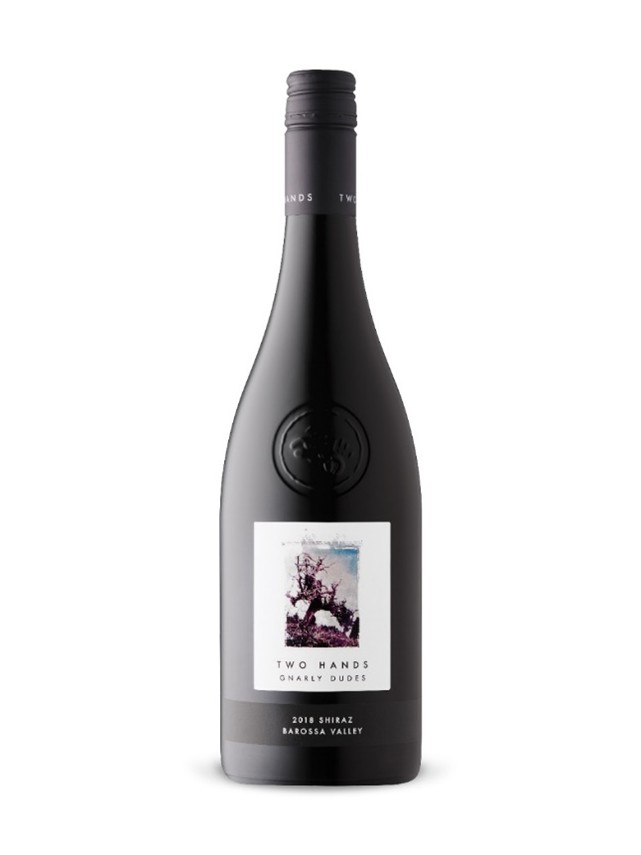
2023 Two Hands Gnarly Dudes Shiraz, Barossa Valley, Australia
13.8% Alc/Vol | $24.95| LCBO# 660043
A recent wine class included a decidedly underrated Shiraz, and it reminded me why I love teaching: every so often, a bottle winks back at you with personality. Gnarly Dudes from Two Hands is exactly that kind of bottle, a Barossa beauty that doesn’t posture but strides in with confidence and plenty of juicy dark fruit.
Gnarly Dudes leans into its Barossa roots with aromatic generosity and palate full of blackberry, plum, and warm baking spice layered over that signature Australian richness.
Yet what I love about this wine and what makes it such a teachable moment is its restraint. It’s bold, yes, but there’s a savoury thread and polished tannin that keeps it from wandering into caricature. This is Shiraz with intention, not volume.
And of course, the name has its own charm. Inspired by the gritty characters of The Big Lebowski, it carries a wink of humour, the kind that invites you to enjoy the wine without overthinking it, while still respecting the craftsmanship behind it. If you’re looking for a holiday pairing, let this be the wine that cozies up to your table. Try it with a maple-lacquered ham and for Sir Paul of Blantyre, rosemary-garlic lamb lollipops.
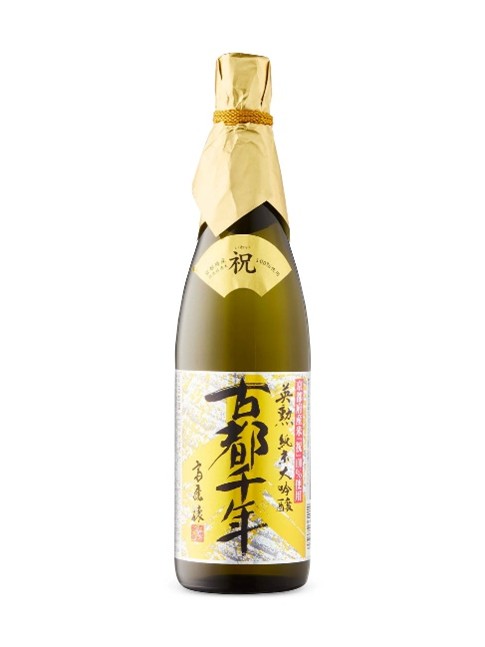
Eikun Koto Sen Nen Junmai Daiginjo Sake, Kansai, Japan
15.5% Alc/Vol | $66.55 | LCBO# 45836
I’m going to take you on a different journey with this fermented beverage, not to a vineyard, but to Japan, where kaizen is quietly stitched into the fabric of everyday life.
Kaizen meaning “continuous improvement,” is the gentle art of doing a little better today than yesterday. And may I share my New Year’s resolution? To welcome more kaizen into my own life, one mindful step, one thoughtful sip at a time.
In that spirit, I turned to Eikun Koto Sennen Junmai Daiginjo, a sake that reflects the grace of refinement through its very making. Think of Junmai Daiginjo as the “Grand Cru” of sake styles but with a more poetic personality.
Junmai means the sake is made with only rice, water, yeast, and koji, no added alcohol. Daiginjo refers to how much the rice is polished. The grains are milled down to 50 per cent or less of their original size, removing the outer layers to reveal the pure, delicate heart. The water used in production is of extraordinary purity. Its elegance shows in soft melon, white peach, and a whisper of anise. This sake is a reminder that improvement doesn’t always mean more; sometimes it means more precise, more honest, more itself.
As a simple accompaniment, try mild Asiago with pear slices that echoes the fruit notes in the sake; the cheese adds just enough savoury counterpoint. This sake is an example of the beauty of quiet progress.
In a season that celebrates togetherness, here’s to choosing wines that welcome everyone to the table, spark conversation, and remind us that the world of flavour is far bigger and more engaging when we wander beyond the usual path.
— Doris Miculan Bradley is a professor, International Master Sommelier, chef and East Toronto resident.