From The Cellar: November a perfect time to revisit a favourite wine or discover something new
By DORIS MICULAN BRADLEY
November is a month to start getting serious about winter by swapping sandals for slippers, switching menus from heirloom tomatoes to hearty roasts, and leaning into cozy rituals with friends, food, and a competitive round of Monopoly, Euchre, or Oh Hell.
It’s also the perfect time to revisit an old favourite wine or discover something new to share around the table. For those of us working in the beverage industry, discovering new wines, or connecting to a lost producer can take place at a wine trade tasting.
The rhythm of the wine trade is marked not just by releases and reviews, but by the intimate, often quietly powerful moments of tasting. These curated events serve as a cornerstone for those working within the beverage industry, whether you are a sommelier, buyer, educator, or importer.
Far more than just sampling a lineup, trade tastings offer a rare opportunity to engage directly with the heart of the craft: the winemaker. You may encounter a specific vintage that whispers of a remarkable year or explore the subtle evolutions of a familiar producer. For importers, these tastings often mark the beginning of long-term relationships including business partnerships built over shared terroir and trust.
This professional ritual mirrors what many consumers experience during LCBO weekend tastings, where discovery meets education at the glass and sampling a taste of a featured product.
However, within the trade context, the stakes deepen. The questions are more technical, the conversations more intentional, and the palate more focused. These gatherings are, in many ways, where the next great wine list begins before the bottle is ever opened at table.
Allow me to share my discoveries this month.
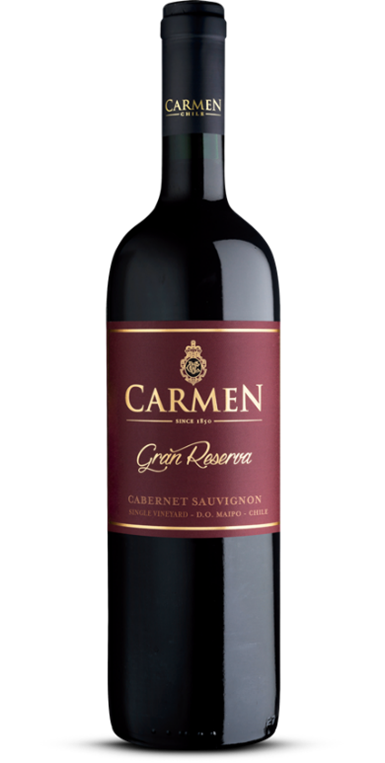
2023 Viña Carmen Gran Reserva Cabernet Sauvignon Maipo Valley, Chile
13.5% Alc/Vol | $18.00 | LCBO# 358309
There’s nothing flashy or overwrought here. Instead, it’s a well-built Cabernet that balances fruit, structure, and soul without theatrics. The nose leans into the darker spectrum of fruit. Think crushed plum skins, a touch of black currant, and sunbaked herbs caught on a warm breeze.
What struck me most, however, was the quiet graphite-stoney edge and that elusive “dusty trail” note you sometimes catch in wines grown near mountains. On the palate, the tannins are present but not aggressive. This is the kind of wine that earns its place on a winter table beside rosemary-rubbed lamb or lentils with smoked paprika. It would also be at home poured quietly after the guests have gone, when the fire is low and there’s still conversation left to be had.
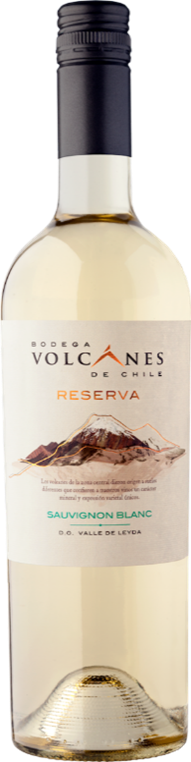
2024 Bodegas Volcanes Reserva Sauvignon Blanc, Casablanca Valley, Chile
13.5% Alc/Vol | | $14.95 | LCBO# 47979
In the context of Chilean wine, the term “Reserva” has a specific but flexible meaning, depending on the producer and classification tier. Unlike Spain, where “Reserva” and “Gran Reserva” are strictly regulated terms tied to aging requirements, Chile uses these terms more as quality indicators than legal designations.
This Sauvignon Blanc, poured alongside a table of zesty whites, caught my attention not for its clarity but for its dry, fruit cacophony in my mouth. The 2024 Bodegas Volcanes Reserva feels like it was grown with intention, from vines rooted in volcanic soils that speak through the glass in mineral whispers. It opens with a gentle lift bay leaf, white peach, and a touch of grapefruit pith, but none of it screams. Instead, the aromatics are delicate. On the palate, there’s a mouth-watering acidity held in check by a soft, almost saline roundness. This is a Sauvignon Blanc for consumers like Lady Ellen of Blantyre, who think they already know the grape and are ready to be reintroduced.
Smokey black bean dip, citrus-marinated ceviche, or a course of goat cheese brioche topped with warm apricot marmalade will make for a memorable meal. Even better, serve it on a Sunday afternoon while prepping meals for the week and letting a vintage Ertha Kitt record hum in the background.
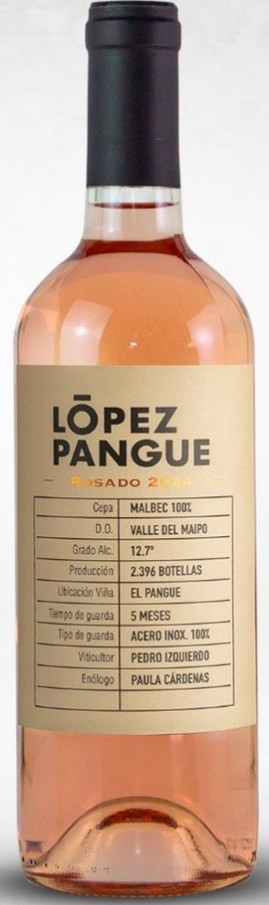
2025 Viña López Pangue Rosé Malbec, Maipo, Chile
13% Alc/Vol | Not available in the market yet
The 2025 López Pangue Rosé Malbec stood out this week as the unquestioned star of the tasting. It’s the kind of wine you come back to for a second pour intrigued by what keeps drawing you in. The wine comes from López Pangue, a small, enthusiastic estate in the hidden valley of El Pangue, between Curacaví and Casablanca, founded on the principle of “Vinos de Aquí” (Wines from Here).
Perched 700 metres above sea level and about 40 kilometres from the Pacific, this wine benefits from cool ocean breezes, steep slope soils and a micro‑climate that slows ripening and brings character to the wines. In making the rosé Malbec, the team used the saignée method , bleeding off a portion of juice from Malbec grapes early in fermentation so the result is a rosé that carries character, muscle, and detail beyond the typical pink wine. On the palate it offers bright red berry and citrus peel and a mid‑palate that betrays the variety’s red‑wine roots and remains refreshing.
The wine is versatile enough for lighter fare yet layered enough to stand on its own. Coming from a producer not yet represented in Ontario, it offers a genuine discovery and story for wine‑lists seeking something with both personality and provenance.
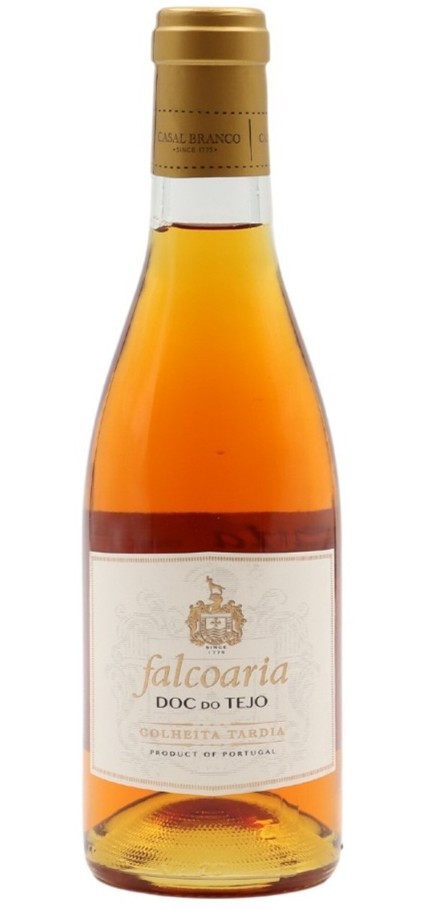
2018 Quinta do Casal Branco Falcoaria Colheita Tardia, Tejo, Portugal
13% Alc/Vol | Available through DOC Wine Imports (info@docwineimports.com)
I found myself at a dedicated tasting of wines from the Tejo region (pronounced “Tay‑ho”) and it was here that the 2018 Falcoaria Colheita Tardia from Quinta do Casal Branco got my attention. Founded in 1775, this estate stands as one of the most iconic wineries in Portugal. It’s history is intertwined with the river valley, the land, and a tradition of viticulture.
The Tejo wine region itself sits along the banks of the Tagus River and delivers wines marked by an interplay of warm days and cool nights. This climate produces an edge of freshness that keeps the wines lively. In the case of this Colheita Tardia (literally “late harvest”), the winemaking takes it’s time. According to the producer, the Viognier and Fernão Pires grapes are allowed to hang until late in the harvest season, concentrating sugar and flavour.
On the palate, the wine delivers richness including dried apricot, mandarin peel, a whisper of honeyed almond, all framed by a fresh, vital acidity that gives the wine poise rather than heaviness. I see this wine as a compelling bridge between indulgent dessert wine and serious gastronomic partner.
I’d confidently serve it alongside a humble Ontario butter tart, especially one with a hint of maple or sea salt, where the buttery richness of the pastry is elevated by the wine’s acidity and fruit. And if I were curating a pairing from my CN Tower Sommelier days, this would have found a home beside a truffled parsnip purée with seared Ontario duck breast, allowing the savoury umami to play off the wine’s residual sweetness.
For consumers looking to move beyond expected dessert wines, this Tejo standout delivers complexity, history, and a modern freshness that’s hard to forget.
And so, as the last drops settle in my glass and the November chill starts to curl at the windowpanes, I’m reminded that trade tastings aren’t just professional obligations, they’re seasonal rituals.
Each bottle shared this month affirmed what I’ve always believed: the best wines don’t just speak of place, they invite you to the table.
Glass rinsed. Notebook full. Game on.
— Doris Miculan Bradley is a professor, International Master Sommelier, chef and East Toronto resident.