
On The Wild Side: End of summer brings migrating birds and butterflies
By ANN and ERIK BROKELMAN
It’s the most wonderful time of the year. The heat of summer has faded, leaving cooler days that invite long walks along the trails without worry of wilting.
Everywhere there are signs of movement and change: the steady migration of birds, the flutter of butterflies, and raptors soaring overhead. Each outing feels full of nature in motion. What could be better?
I was out for a walk in Scarborough one day when I heard the calls of raptors and songbirds overlapping in the cool air.
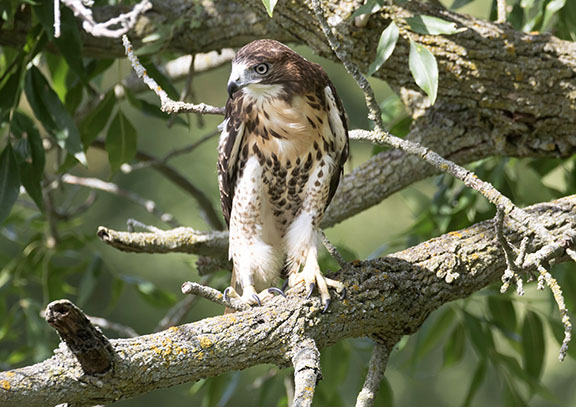
A red-tailed hawk had landed on a branch in a yard, and a small flock of blue jays, orioles and blackbirds immediately began mobbing it. Again and again they swooped at the hawk, determined to drive the intruder away.
If you’ve ever seen a raptor being chased by one, or even several smaller birds, it’s usually because they’re protecting their young and defending their space.
As I watched, I couldn’t help but wonder why the hawk didn’t simply grab one of them for an easy meal. Maybe it decided it wasn’t worth the effort to tangle with an angry jay.
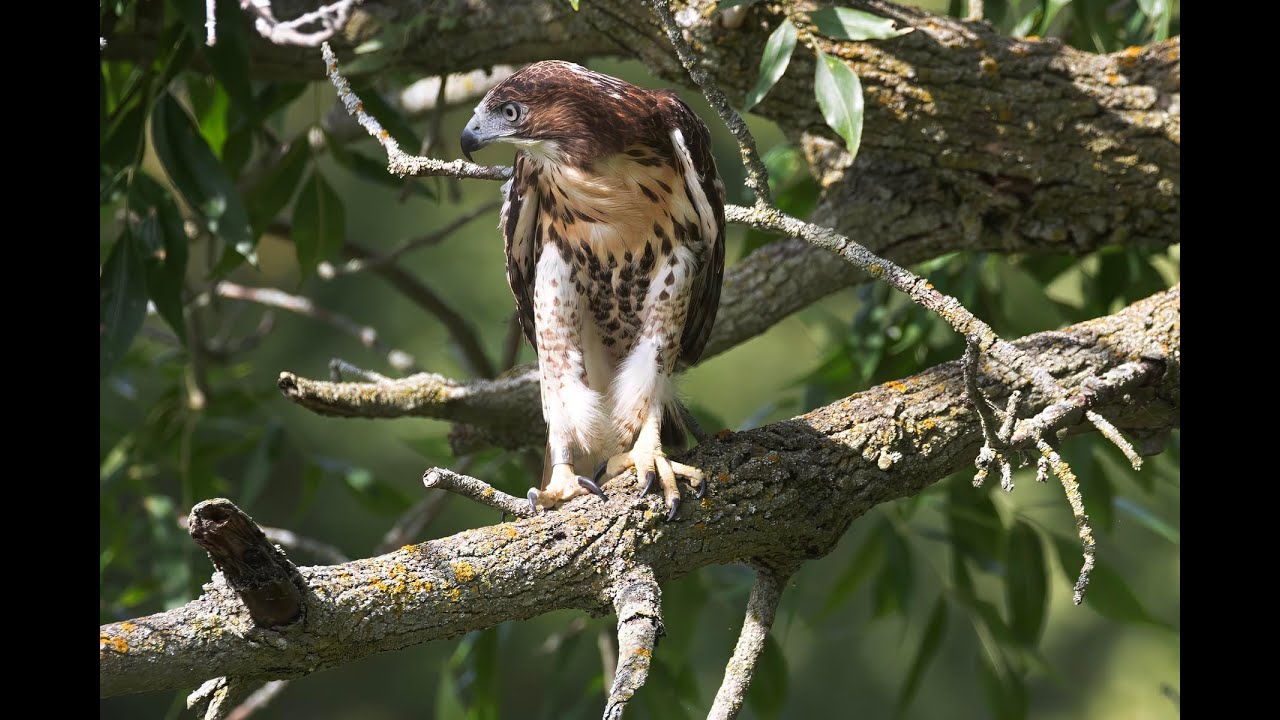
During September, October and part of November you can see the hawks, ospreys, falcons, eagles, and harriers migrating south along Lake Ontario.
Instead of risking the flight across the lake, many raptors choose to follow the shoreline. This creates a predictable path and a perfect opportunity for watching them, especially from the Scarborough Bluffs and Tommy Thompson Park where the birds often pass by at eye level.
Interestingly, some of our Peregrine falcons will fly directly over the lake and only go so far south as Rochester. The best hawk watching day is when we have a strong northwest wind. Also, on a northwest wind day, they tend to be lower, and you have a better chance of seeing one up close.
I’ll never forget being at the Rosetta McClain Gardens Hawk Watch a few years ago. It was the first of September, one of my first days going to the Hawk Watch, and we set a record: 48 Bald Eagles in a single day.
Many birds are already on their way back to their wintering grounds in the south. Warblers can be spotted daily, though by now they’ve lost their brilliant oranges, blues, greens, and yellows of their breeding season. They look beautiful, but I must admit that their colours are softer and more subdued. I recently watched two yellow warblers flitting through the trees in my backyard, snacking on bugs and caterpillars. They stayed for about an hour before continuing their long journey.
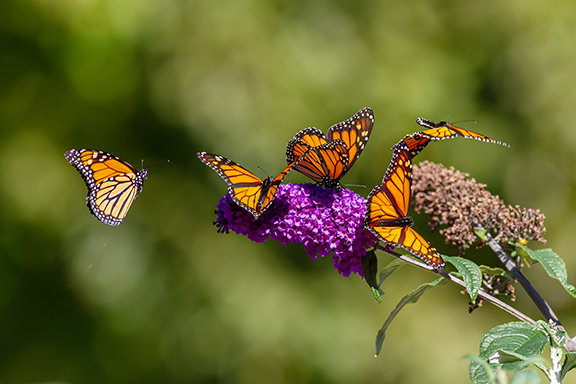
The next time you step outside and look up you might see monarchs drifting high overhead, all heading west. They are making their annual journey, of more than three thousand miles (5,000 km), to Mexico.
This “super generation” of monarchs will live seven to eight months, long enough to complete the incredible trip.
And the best part is still to come as soon the ducks, owls, and northern birds will be heading south to spend the winter with us.
I’d really love to hear about your most exciting sighting. Feel free to send me a note, or even better, share it on the Beach Metro Community News website. Just look under my On The Wild Side column and post what you’ve seen in the comments. I can’t wait to read about it.


Comments (0)
There are no comments on this article.