Safety concerns growing about use of e-scooters/bikes on Toronto streets, sidewalks and pathways
By MATTHEW STEPHENS
Since 2018, alongside the introduction of dockless GPS bike rental services in big cities, electric scooters (e-scooters) have become a popular means of transportation across Toronto.
For some, e-scooters have proven to be a reliable and convenient option to get around bustling city streets. For others, they have become a protrusive nuisance posing a significant risk to public safety.
“The use of electric bikes and scooters is increasing across the city, and with that comes an increasing danger to runners and pedestrians,” said concerned local resident Marc-Antony Trepanier in a recent message to Beach Metro Community News.
“These vehicles go very fast, with users often wearing helmets, and yet we see them on sidewalks, weaving around walkers, including kids, strollers, and pregnant women.”
According to SickKids hospital, more children and youth have been checking into the emergency department from injuries related to e-scooters and e-bikes.
In June and July 2024, SickKids reported 16 injuries related to e-scooter use, compared to five injuries in June and July of 2023.
The City of Toronto categorizes e-scooters as “Micromobility Vehicles,” a term used to describe small, compact, low-speed vehicles that are lighter weight than cars.
Micromobility vehicles can include bicycles, cargo bikes/trikes, folding bikes, electric two, three, or four-wheeled cycles, urban mobility vehicles (i.e. small, one-person e-cars), e-mopeds, electric kick-scooters (e-scooters), and more.
Because of their micromobility classification, e-scooters do not require any license or certification to operate – a fact which concerns residents like Trepanier, who has recently noticed younger riders using them.
“Because they do not require a licence, we see youth using them,” said Trepanier. “These are motorized vehicles and should be on roads only. If licenses are not required, then fines and charges must be given to those endangering others, especially the vulnerable.”
According to City of Toronto bylaws, e-scooters are not permitted to be operated on public roads, sidewalks or paths (such as bike paths and/or walking trails through parks), regardless of the age of the user.
Despite being prohibited, the city said it has no authority to regulate the sale of e-scooters.
“The City does not have the authority to regulate what is sold on the market, only what is operated in public spaces. It is for this reason you will see e-scooters available for purchase or rent in Toronto stores and frequently marketed to youth under 16 years,” according to the city’s website.
Back in May of 2021, Toronto Council opted out of participation in an Ontario Pilot Project for Electric Kick-Scooters on public roads due to concerns regarding safety, liability, and impacts to elderly residents and persons living with disabilities.
In July 2023, Toronto Council directed the General Manager of Transportation Services (working with various stakeholders—disability advocates, businesses, accessibility groups, transit users, micromobility providers, etc…) to deliver a comprehensive micromobility strategy.
By May 2024, Council adopted the Micromobility Strategy intended to integrate the use of certain small vehicles like cargo bikes, quadricycles, and e‑bikes.
The strategy explicitly kept e‑scooters prohibited across public streets, sidewalks, bike lanes, and parks due to concerns for safety and accessibility.
Council continues to support the ban on e-scooters in the city.
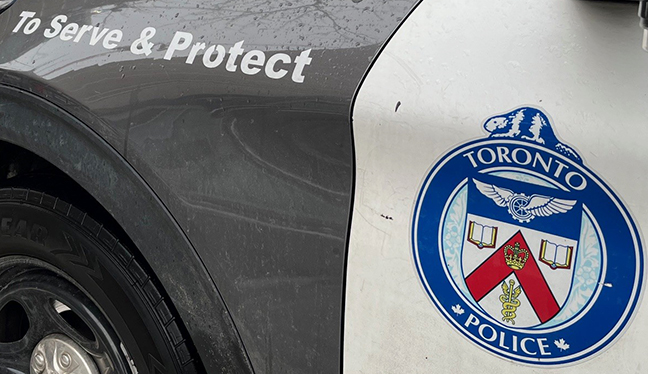
A late August news release from Toronto police announced the launching of a three-week traffic safety enforcement campaign focused on micromobility vehicles across the city.
The campaign comes as a response to a Toronto Council recommendation for police and the city bylaw officers to collaborate on an educational movement intended to enhance public awareness of micromobility-related safety issues.
Once completed, the police campaign will also provide details regarding the enforcement of micromobility users on local, collector, and arterial roads, including bike lanes, sidewalks, and crosswalks and park trails.
As part of the campaign, officers will be enforcing the Highway Traffic Act and City of Toronto bylaws on all micromobility vehicles.
The campaign will run until Sept. 13.
Beaches-East York Councillor Bradford expressed his support of the police campaign in order to provide more clarity on e-scooter rules.
“I’m supportive of the current enforcement blitz that Toronto police are doing. With both clearer rules and increased enforcement, I’m hopeful we can address the serious safety issues these vehicles are creating,” said Bradford in a statement sent to Beach Metro Community News.
In response to concerns expressed by members of the community, Bradford said he has acknowledged the safety risks and frustration of residents with e-scooter use in the city, stating that he is in full support of the plans to enforce stricter regulations.
“I’ve heard from a lot of Torontonians who are angry about the reckless and dangerous actions of these e-scooter and e-bike riders – or as I call them, mini-motorcycles, because that’s what they are,” he said.
“We’ve had a surge of them on our streets, and it poses a risk to pedestrians, cyclists, and drivers alike.”
Bradford said e-scooter regulation continues to be an ongoing discussion amongst city staff, city councillors, and the Toronto Police Service.
“In June, (University-Rosedale) Councillor (Dianne) Saxe introduced a motion to have staff create a harmonized set of bike lane use rules and make it crystal clear what vehicles are allowed to use them, and which are not. I publicly applauded her motion, and I look forward to reviewing the report when it returns to council in the future,” said Bradford.