Veterinary Views: The changing landscape of veterinary care and what pet owners need to know
By DR. NIGEL SKINNER
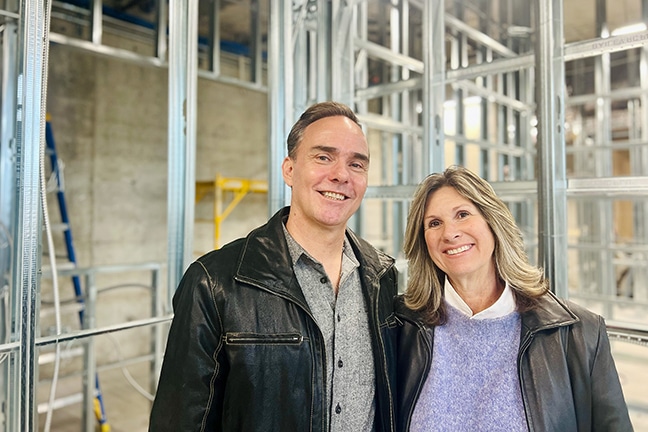
After owning and operating a veterinary clinic for 15 years in the Beach community, I have spent the past few years practicing outside of this area. I am so grateful to have the opportunity to recently open a new clinic in the Beach/Bluffs area and to get back to writing this column as I did in the past.
I have seen more changes in the veterinary landscape in the past five years than I have in the entire 21 years that I’ve been practicing.
If you’ve noticed changes at your veterinary clinic recently—longer wait times for appointments, higher prices, and frequent staff turnover—you’re not alone.
Veterinary medicine has been undergoing a transformation, and while these shifts can be arduous for pet owners, they are the result of deep-rooted challenges that have been building for years.
For decades, the veterinary profession has faced significant workforce issues, particularly among Registered Veterinary Technicians (RVTs) and support staff.
These skilled professionals are the backbone of veterinary clinics, yet they have historically been underpaid and underutilized.
This profession can be both physically and emotionally challenging and involves a high level of responsibility and accountability. Many leave the profession within a few years, leading to a constant cycle of turnover that puts added strain on the entire system.
The COVID-19 pandemic only accelerated this crisis, pushing many to leave the field altogether. As a result, clinics across the country are struggling to find and retain experienced staff, which directly impacts appointment availability and costs.
At the same time, the cost of running a veterinary clinic has risen dramatically. Labour costs have increased, not because of excessive wages, but because veterinary support staff—who have long been undervalued relative to their expertise—are finally being compensated more fairly, and job vacancies for veterinarians far exceeds supply. Equipment, laboratory tests, and pharmaceuticals have also seen price hikes that far exceed general inflation.
Unlike human healthcare, which is subsidized by government funding or insurance, veterinary clinics must absorb these costs directly, which means they ultimately affect pet owners.
Another emerging challenge is the increasing corporate consolidation of veterinary practices. In recent years, large, foreign-owned corporations have acquired many independent clinics, changing the way care is delivered. While these companies promise efficiency and resources, they often introduce a shift in priorities and have been accused of focusing on profitability over personalized patient care.
This trend, combined with rising costs and staffing shortages, is reshaping the landscape of veterinary medicine in ways that pet owner have really begun to notice.
Despite these challenges; there are solutions. Independent veterinary practices are finding new ways to create sustainable, high-quality care models.
By rethinking clinic operations and prioritizing work-life balance for staff, we can retain top talent and improve service for pet owners. Shortened work weeks, improved scheduling systems, and better compensation for veterinary professionals are essential steps in addressing the staffing crisis.
Additionally, leveraging technology for client communication and streamlining in-clinic workflows can help keep costs manageable while maintaining the high level of care that pets deserve.
Simply put, treating our teams well and respecting the client’s needs, now stands out in this profession and attracts employees and clients that are both grateful and loyal.
Pet owners play an important role in this evolving landscape. Supporting locally owned veterinary clinics, and recognizing the value of experienced, well-compensated veterinary care teams can make a difference.
Understanding why your clinic has reduced hours or is utilizing virtual pet care is useful information so that you can see how your clinic is creating a work/life balance for their staff which results in you and your pet having the best experience.
Asking about pricing so that it’s clear to you why prices are what they are, can give you peace of mind so that you are comfortable with what your vet clinic is providing to you.
The future of veterinary medicine is at a crossroads, and by working together, we can create a system that supports both the professionals providing care and the pets who rely on them.
- Dr. Nigel Skinner is the Founder/Owner of Shoreview Veterinary.