Mental Wellness Group marks 10 years of service to the East Toronto community and beyond
By MATTHEW STEPHENS
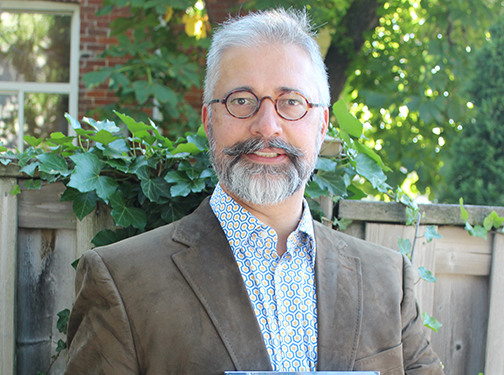
Back in January of 2015, after enduring 10 years of depression, Upper Beach resident Jason Balgopal sought to create a safe space for members of the community to come together and get support from peers experiencing similar mental health challenges.
“I had suffered from depression for a while; from 2004 to about 2014. I got a lot of support and a lot of help, but one of the things that I was missing was the support of peers – that is, people who had walked a mile in my shoes, people knew what it was like to experience depression.” said Balgopal.
After noticing a lack of peer-to-peer mental health support within the community, Balgopal organized and established the Mental Wellness Group in the Beaches: a small collection of like-minded people who gathered for what was intended to be a monthly meeting at Community Centre 55 (97 Main St.).
However, what started out as a monthly meeting quickly gained momentum within the community – and by March of that same year, the Mental Wellness Group had quickly established itself as a weekly gathering of peer-to-peer support.
Since its establishment at Community Centre 55, the group had branched out to other facilities outside of the East End. However, the COVID-19 pandemic presented challenges with in-person meetings and forced the group to shift their gatherings to Zoom – which proved to be beneficial for the organization’s universal reach across the globe.
“We still have a location at Community Centre 55, but over the years we’ve had various other locations as well,” said Balgopal. “Unfortunately, when the pandemic came through, that posed a lot of challenges for the physical in-person locations. But at the same time, it offered us a lot of benefits. We pivoted to Zoom, and it’s been great. We have actually expanded because of that.”
The Mental Wellness Group has since become a dedicated support system that offers daily Zoom meetings for people around the world to receive free “empathetic” support from like-minded peers.
“The group was supposed to be a once-a-month group that met, but the people were so excited about the group they wanted it to continue weekly,” said Balgopal. “And now we’ve grown to offer support groups almost every night of the week by Zoom, so anybody in the world can get the support.”
In recent years, the Mental Wellness Group has expanded their services for regular visitors to include five free sessions of professional therapy with a licensed professional, as well as continued sessions beyond the first five, offered at a significantly lowered rate compared to traditional therapy services.
“We offer professional therapy, and we offer our regular members five sessions of professional therapy with a licensed therapist for free.” said Balgopal. “Once the first five sessions are done, the client is able to continue on with the same therapist for an extremely low rate. We flow through the charge and its $100 a session, which, if you know anything about therapy, is really cheap.”
Depending on several factors, therapy session fees can generally range in cost anywhere from $250 to $500 per hour without insurance or coverage, according to Toronto Psychological Services and Research Centre.
Balgopal said seeking support from those suffering from similar issues helps to alleviate pressure on those seeking support from family and friends who may struggle to relate or provide effective feedback.
“For a lot of people, it’s difficult. They overwhelm their family and friends, and they want to help, but they just don’t know what to say,” said Balgopal. “The people who come to the groups want to help the other people because they’ve been through this themselves, so they’re willing to listen.”
When asked how the Mental Wellness Group manages to operate and provide a cost-effective service for patrons, Balgopal mentioned that many of those working within the organization started out as visitors themselves.
“People have gone through the program and recognize the value of the program, and they too want to give back,” he said. “And so, all of the facilitators or people who help run the meetings are all themselves members who have gone through the groups, and so they both have an understanding of how important it is, and they are also willing to give up their time.”
For Balgopal, providing an overlooked, yet essential service is his way of providing a meaningful contribution to the community and abroad.
“It’s extremely meaningful. It really gives me a sense of knowing that I’m doing something good for the community and giving back,” he said. “I think there’s been a societal shift in acknowledgment of the challenges that people are facing – that includes mental wellness challenges. And when it becomes more normalized, people are more willing to reach out and get support.”
Members of the community continue to gather Tuesday nights from 7 to 8 p.m. at Community Centre 55 to discuss mental health challenges and get support from others seeking guidance.
“We have really grown to be quite a good community, both with the facilitators and the people that run the groups – but also the clientele,” said Balgopal. “It’s fantastic to see that we provide each other help and support to make each other’s lives better, but at the same time, that we are also there for each other.”
For more information about the Mental Wellness Group, donations, or to sign up for a Zoom or in-person meeting, head to https://mentalwellness.help/