In My Opinion: Invasive species such as dog strangling vine and garlic mustard threaten Beach’s ecologically vital green spaces
By EMILYA KALBUN
As the peak of summer is upon us, we enjoy long Boardwalk strolls, refreshing swims in the lake and most of all our garden spaces.
Beachers are – in my humble opinion – the most committed to our backyard jungles out of any Torontonian. This becomes apparent to anyone who walks through our beautiful neighbourhood, and witnesses the lush bursting aromatic blooms pouring from frontyard gardens.
There is something else however that becomes equally apparent while walking through the Beach, that it is becoming over run with invasive plants.
As someone who is registered with the Toronto Nature Stewards, as well as a University of Toronto Environmental Studies graduate, like you, I am disturbed by the recent floods in Toronto, which have been occurring with increasing frequency as years pass.
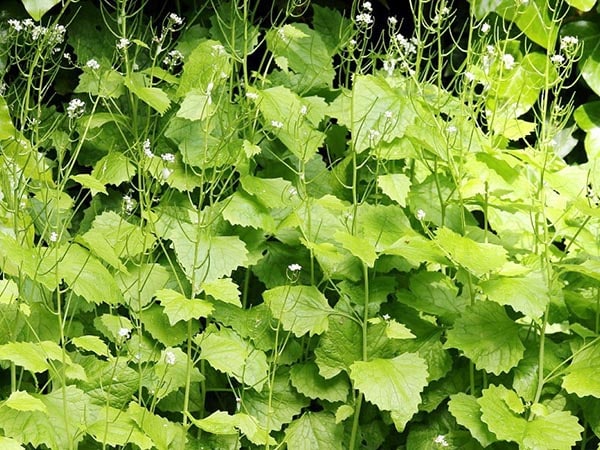
I am equally disturbed as I continue to recognize heightened presences of invasive species throughout the neighbourhood, such as dog strangling vine, creeping bellflower, and garlic mustard to name only a few.
Both of these phenomena serve as a grim reminder of the approaching threat of climate change which is continually charging towards us with the speed and lethality of a bullet train.
While we cannot as individuals make the same level of large-scale changes as our politicians, business owners, or other larger actors, we do have power to assist our local ecosystem in any way we can.
Despite being in one of the largest cities on the continent, the Beach area is ecologically vital due to the abundant green spaces which act as bioswales (soaking up rainwater and mitigate flooding) and the Glen Stewart Ravine which hosts up to 300 species of migratory birds annually, which rely on this small wedge of wildlife for habitat.
Considering this fact, the Toronto Nature Stewards strongly encourages anyone in the neighbourhood, or beyond, to remove invasive species such as creeping bellflower, dog strangling vine, and garlic mustard if found on your property. Pull out the whole plant including the roots (or as much as possible of it) and throw it in the garbage rather than compost, so as not to accidentally spread seeds or rhizomes.
Creeping bellflower in particular is ferociously colonizing our area, as is dog strangling vine.
Both these plants have capabilities to choke and kill native species through releasing hundreds of rhizomes into the ground, rapidly forming monocultures which suck up nutrients and needed resources for native species.
Though creeping bellflower is liked by many residents for its appearance, don’t be deceived by the pretty purple flowers. These plants are invasive, harmful, and must be stopped from spreading further.
Beachers, as I have observed, are not only the most avid gardeners but also the most passionate and committed environmentalists anywhere in our city.
In this vein, if we all work together to care for our unique and beloved ecosystem, we will not only be taking a step to creating a better space for ourselves and all wildlife who call the Beach home but also fostering a better city, country, and world in our own small way.
Let’s get to work!